
Shark Tank is a hit TV show that has been around for years. It shows entrepreneurs’ dreams and their hopes for funding and advice from successful business leaders. The show has had many success stories, but it also has its share of failed deals. This article looks at some of the biggest Shark Tank deals that didn’t work out, highlighting the challenges and pitfalls that can stop even the best business ideas.
Key Takeaways
- Shark Tank deals that fell through highlight the reality that not every pitch leads to a successful investment
- Internal conflicts, product failures, and lack of execution were common reasons behind the downfall of these Shark Tank deals
- The average investment amount from the Sharks in these failed deals was $215,000
- The success rate of companies that received investments from the Sharks was 42.8% in this specific segment of episodes
- None of the 7 failed deals were related to the tech industry, standing out from the common trend of tech startups on Shark Tank
Introduction to Shark Tank Deals Gone Wrong
Shark Tank has been a hit on TV for over 10 years. It’s known for its tense negotiations and exciting investment deals. Entrepreneurs with new business ideas try to get a big investment from the “Sharks.” But, not every deal works out well.
What is Shark Tank and its concept
Shark Tank is a TV show where entrepreneurs show off their business ideas. They pitch to a group of investors, like Mark Cuban and Barbara Corcoran. The Sharks then decide if they want to invest and help the business grow.
The reality of deals falling through after the show
Even with a Shark Tank deal, things don’t always go as planned. Entrepreneurs might find it hard to keep up with their promises. Or, they might disagree with the Sharks after the show is over. The pressure and challenges of starting a business can make deals fall apart.
Shark Tank has become a big deal in popular culture. Its network is worth $29.85 billion. The show has been on for 14 years and helps many startups. But, the excitement of being on Shark Tank doesn’t always mean success in the long run.
ToyGaroo: The Failed “Netflix for Toys”
ToyGaroo was a service that aimed to change the toy rental world. It called itself the “Netflix for toys.” It was started by Hutch Postik, Nikki Pope, Phil Smy, Rony Mirzaians, and Young Chu. They pitched their idea on ToyGaroo Shark Tank pitch in Season 2, Episode 2. They got a $250,000 investment from Mark Cuban and Kevin O’Leary.
Even with the funding from Shark Tank, ToyGaroo hit many roadblocks. Phil Smy said the main problems were finding affordable toys and dealing with high shipping costs. The toys came in all shapes and sizes, making shipping hard to manage.
The founders thought Mark Cuban and Kevin O’Leary would help them get toys from big companies like Mattel. But, they didn’t get the help they needed. So, ToyGaroo had trouble keeping its “Netflix for toys” business model alive. They also had trouble keeping shipping costs low and making the rental service easy and affordable for customers.
In the end, ToyGaroo couldn’t solve these problems. It had to close down. It’s one of the Shark Tank deals that didn’t last long.
ShowNo Towels: The Poncho-Shaped Towel Flop
Shark Tank has seen many successes and failures. ShowNo Towels was a unique product that failed to make it big. It was a poncho-shaped towel with a head opening.
Shelly Ehler, the founder, appeared on Season 3, Episode 4 of Shark Tank. She was looking for an investment to grow her business. Lori Greiner invested $75,000 for a 25% stake, but the partnership didn’t work out.
The ShowNo Towels idea was to make beach and pool trips more comfortable. Its design let users cover up easily, keeping their hands free.
But, the product didn’t catch on. The partnership with Greiner hit roadblocks, ending the deal.
The ShowNo Towels story warns entrepreneurs about Shark Tank. It shows that turning ideas into businesses is hard, even with a great platform.
Sweet Ballz: Co-Founder Conflict Derails Success
The story of Sweet Ballz is a lesson in how disagreements between co-founders can stop a business in its tracks. James McDonald and Cole Egger started Sweet Ballz, a cake ball business. They got a big break on Shark Tank, Season 5, Episode 1, with a $250,000 investment from Mark Cuban and Barbara Corcoran for 25% of the company.
But, the success was short-lived. McDonald and Egger quickly got into a legal fight. Egger started a rival company, Cake Ballz. This fight led to a lawsuit and a restraining order, causing Sweet Ballz to fail.
The fight between the co-founders made Sweet Ballz miss out on the chance to grow after Shark Tank. The company’s website went down, and its domain pointed to Cake Ballz. McDonald later got back the Sweet Ballz brand, but the damage was done. The business has had a hard time getting back on track.
The story of Sweet Ballz shows that even great deals can fail because of internal problems. The Sweet Ballz Shark Tank deal gave them money, but the fight between the co-founders was too much to handle.

“The bitter dispute between the co-founders meant that Sweet Ballz missed a crucial opportunity to capitalize on the increased exposure from their Shark Tank appearance.”
Shark Tank Deals That Fell Through: Top Failures
Shark Tank is a TV show where entrepreneurs pitch their ideas to investors. It’s known for success stories, but many deals have failed. We’ll look at some big failures and why they didn’t work out.
Lessons from Shark Tank Deals Gone Wrong
Half of the 112 deals from seasons 8 to 13 didn’t work out. Also, 15% of deals were changed. This shows the tough reality for entrepreneurs, even with Shark investment. Let’s explore some big failures and what we can learn from them.
- The ShowNo Towels deal: Barbara Corcoran invested $50,000 for a 40% stake. But, the founders couldn’t meet their promises. Corcoran lost over $75,000 trying to make the towels for Disney.
- The Sweet Ballz fiasco: Daymond John gave $250,000 to the co-founders. But, internal conflicts and poor communication ruined the deal.
- The Breathometer debacle: The company got $1 million from all five Sharks. But, issues with accuracy and regulations ended the deal.
These stories show the need for a solid business plan and good communication. A reliable product is also key. Entrepreneurs must be ready for the challenges of Shark Tank.
Even failed Shark Tank deals can teach valuable lessons. By understanding why these investments didn’t work, entrepreneurs can improve their chances of success. This helps everyone involved learn and grow.
Body Jac: The Fitness Machine That Failed
In the world of Shark Tank, dreams of success often come and go. The story of Body Jac is a warning. This fitness machine was meant to make push-ups easier. It was pitched by “Cactus Jack” Barringer on Season 1, Episode 5.
Barringer got a $180,000 investment from Kevin Harrington and Barbara Corcoran. They took a 50% stake in the company. But, the success promised by the Shark Tank deal didn’t last. The Body Jac fitness machine failed to catch on.
“It was the worst business deal I ever made,” Barbara Corcoran later admitted, reflecting on her investment in Body Jac.
The reasons for Body Jac’s failure are still a mystery. But, its story shows that not every Shark Tank deal works out. The Body Jac is now a cautionary tale from the show.

Entrepreneurs still chase their dreams on Shark Tank. The Body Jac story teaches us about the business world’s unpredictability. It shows the need for careful planning, execution, and adapting to the market. The lessons from this failed deal remind us that success is not guaranteed, even with investor support.
CATEapp: The Controversial Privacy App
CATEapp was a unique app focused on privacy. Neal Desai pitched it on Shark Tank in Season 4, Episode 2. He got a $70,000 investment from Kevin O’Leary and Daymond John for 35% equity. The app let users hide calls and messages from certain contacts, aiming for a private communication experience.
Overview of CATEapp’s Concept and Shark Tank Pitch
The Shark Tank pitch highlighted the need for a privacy app in our digital world. Desai showed how CATEapp could hide communications from partners or colleagues. He saw it as a way to keep personal info private and in control.
Factors Contributing to CATEapp’s Failure
Despite the buzz from Shark Tank, CATEapp didn’t catch on. Several reasons led to its failure:
- Controversy and Perception Issues: People worried it could be used for cheating or avoiding the law. This made it hard to win over more users.
- Lack of Mainstream Adoption: It saw a spike in downloads after Shark Tank, but couldn’t keep users coming back.
- Challenges in Securing Government and Law Enforcement Contracts: Desai’s efforts to sell to these markets didn’t pay off, hurting the app’s growth.
The mix of controversy, misuse fears, and trouble keeping users led to CATEapp’s end. The app is no longer available, with its last social media post in 2013.
Breathometer: The Inaccurate Breathalyzer Debacle
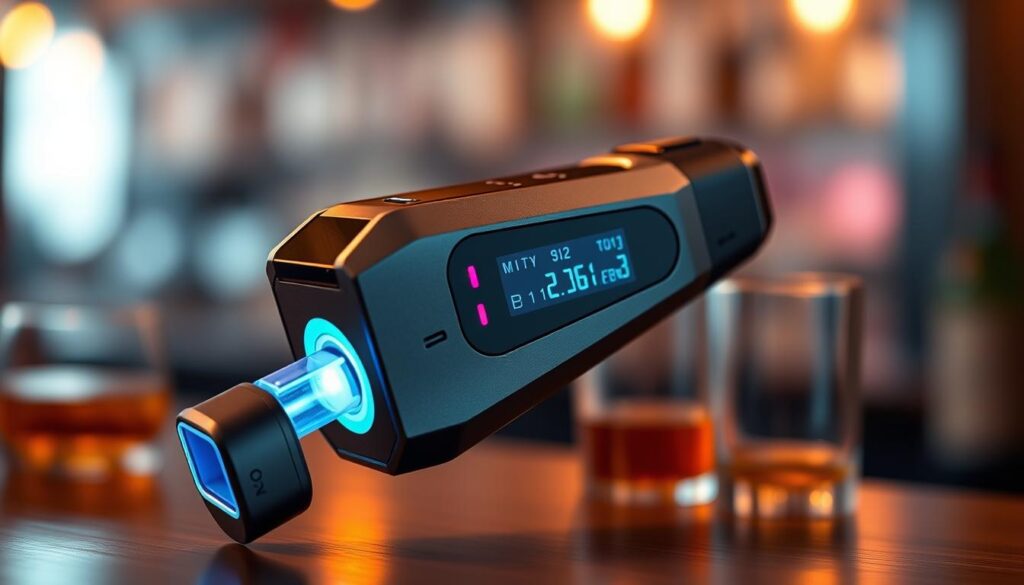
Breathometer was a portable device meant to measure blood alcohol levels. It appeared on Shark Tank and caught the attention of investors. Charles Michael Yim got a $1 million investment from five Sharks for a 30% stake, valuing the company at $3.3 million.
But, the device didn’t work as promised. The Federal Trade Commission (FTC) ordered refunds and banned its sale. This was a big setback for the team and the investors.
The FTC said Breathometer made over $5 million in sales after Shark Tank. But, the company could face up to $5 million in refunds. They eventually agreed to give back money to customers who bought the Breathometer.
Charles Michael Yim admitted he didn’t test his products well. The FTC also said Breathometer didn’t handle the accuracy issues right away.
Even though the portable breathalyzer failed, Breathometer moved on. They now make Mint, a product that checks breath for health issues. It comes with Philips Sonicare toothbrushes. They’re focusing on digital health, leaving the Breathometer Shark Tank behind.
The Breathometer story is a lesson for everyone. It shows how crucial testing and quality control are, especially for health-related products.
You Smell Soap: The Deal That Never Materialized
You Smell Soap, a luxury soap brand, appeared on Shark Tank in Season 3, Episode 3. Megan Cummins, the founder, got a deal with Robert Herjavec. He offered $55,000 plus a $50,000 salary for 30% of the company. But, this deal didn’t work out.
Background on You Smell Soap and its Shark Tank Appearance
Megan Cummins, the founder of You Smell Soap, pitched her luxury soap brand on Shark Tank. Her pitch caught the Sharks’ attention, and she got a deal with Robert Herjavec. He agreed to invest $55,000 and earn $50,000 a year for 30% of the company.
Reasons Why the Deal with Robert Herjavec Fell Through
Despite agreeing on TV, the You Smell Soap deal with Robert Herjavec didn’t happen. Cummins couldn’t reach Herjavec for six months after the show. When they finally talked, Herjavec offered to change the deal to $50,000 for 50% of the company. Cummins said no, and the deal fell apart.
The story of You Smell Soap shows a Shark Tank deal that didn’t work out. The deal terms changed, and communication broke down. This led to the deal’s failure, despite the excitement on the show.
Conclusion
Shark Tank deals that didn’t work out teach us a lot. They show how crucial it is to manage costs, solve conflicts with partners, keep promises about your product, and talk openly with investors.
Even though the Sharks offer great advice and money, starting a business is tough. Only some Shark Tank deals lead to success. Over 70% of businesses don’t get the exact deal they wanted on the show. Many deals also fall apart during the due diligence phase.
But Shark Tank can still be a great chance for growth. Look at Grinds and Beard King, they did well. These stories remind us to be ready for Shark Tank. We need to understand the business world and be strong when facing challenges after the investment.
FAQ
What is Shark Tank and how does it work?
Why do some Shark Tank deals fall through?
What happened with the ToyGaroo business on Shark Tank?
What was the issue with the ShowNo Towels deal on Shark Tank?
What happened with the Sweet Ballz business after its Shark Tank deal?
What were the reasons behind the failure of the Body Jac fitness product after Shark Tank?
What led to the downfall of the CATEapp privacy messaging app after its Shark Tank appearance?
What happened with the Breathometer blood alcohol detection device after its Shark Tank deal?
FAQ
What is Shark Tank and how does it work?
Shark Tank is a TV show where entrepreneurs pitch their ideas to investors, called “Sharks.” They hope to get an investment deal. The Sharks then decide if they want to invest their money.
Why do some Shark Tank deals fall through?
Not every deal on Shark Tank works out. Entrepreneurs might struggle to keep their promises. Or, there could be disagreements after the show, leading to failed investments.
What happened with the ToyGaroo business on Shark Tank?
ToyGaroo was a toy subscription service that got a 0,000 investment from Mark Cuban and Kevin O’Leary. But, it had trouble finding affordable toys and managing shipping costs. This led to its failure.
What was the issue with the ShowNo Towels deal on Shark Tank?
Shelly Ehler created ShowNo Towels, a poncho-shaped towel. Lori Greiner invested ,000 in it. But, Ehler and Greiner had complications, causing the deal to fail.
What happened with the Sweet Ballz business after its Shark Tank deal?
Sweet Ballz made cake balls for stores and got a 0,000 investment from Mark Cuban and Barbara Corcoran. But, a legal fight between the founders, James McDonald and Cole Egger, ended the company.
What were the reasons behind the failure of the Body Jac fitness product after Shark Tank?
“Cactus Jack” Barringer pitched Body Jac on Shark Tank and got a 0,000 investment. But, the business failed. Barbara Corcoran said it was her worst deal.
What led to the downfall of the CATEapp privacy messaging app after its Shark Tank appearance?
CATEapp got a ,000 investment from Kevin O’Leary and Daymond John. It saw more downloads after the show. But, it didn’t get enough users and closed down.
What happened with the Breathometer blood alcohol detection device after its Shark Tank deal?
Breathometer got a
FAQ
What is Shark Tank and how does it work?
Shark Tank is a TV show where entrepreneurs pitch their ideas to investors, called “Sharks.” They hope to get an investment deal. The Sharks then decide if they want to invest their money.
Why do some Shark Tank deals fall through?
Not every deal on Shark Tank works out. Entrepreneurs might struggle to keep their promises. Or, there could be disagreements after the show, leading to failed investments.
What happened with the ToyGaroo business on Shark Tank?
ToyGaroo was a toy subscription service that got a $250,000 investment from Mark Cuban and Kevin O’Leary. But, it had trouble finding affordable toys and managing shipping costs. This led to its failure.
What was the issue with the ShowNo Towels deal on Shark Tank?
Shelly Ehler created ShowNo Towels, a poncho-shaped towel. Lori Greiner invested $75,000 in it. But, Ehler and Greiner had complications, causing the deal to fail.
What happened with the Sweet Ballz business after its Shark Tank deal?
Sweet Ballz made cake balls for stores and got a $250,000 investment from Mark Cuban and Barbara Corcoran. But, a legal fight between the founders, James McDonald and Cole Egger, ended the company.
What were the reasons behind the failure of the Body Jac fitness product after Shark Tank?
“Cactus Jack” Barringer pitched Body Jac on Shark Tank and got a $180,000 investment. But, the business failed. Barbara Corcoran said it was her worst deal.
What led to the downfall of the CATEapp privacy messaging app after its Shark Tank appearance?
CATEapp got a $70,000 investment from Kevin O’Leary and Daymond John. It saw more downloads after the show. But, it didn’t get enough users and closed down.
What happened with the Breathometer blood alcohol detection device after its Shark Tank deal?
Breathometer got a $1 million investment from all five Sharks. But, it didn’t work well. The Federal Trade Commission ordered refunds and banned the product.
Why did the You Smell Soap deal fall through after the Shark Tank appearance?
Megan Cummins got a $55,000 investment and a $50,000 salary from Robert Herjavec. But, he offered to change the deal to $50,000 for 50% equity. Cummins turned it down, and the deal didn’t happen.
million investment from all five Sharks. But, it didn’t work well. The Federal Trade Commission ordered refunds and banned the product.
Why did the You Smell Soap deal fall through after the Shark Tank appearance?
Megan Cummins got a ,000 investment and a ,000 salary from Robert Herjavec. But, he offered to change the deal to ,000 for 50% equity. Cummins turned it down, and the deal didn’t happen.