
Figuring out the different types of propellers for small motorboats can feel like figuring out how to get from one place to another. Propellers are more than just blades that spin; they are the engine that moves your boat forward and backward, and they control how quickly and efficiently you can move through the water.
The right propeller can make your boating experience much better, whether you’re floating on a calm lake or racing through the waves of the ocean. Let’s dive into the world of blades, figure out what they’re all about, and help you pick the best one for your boating experiences.
The Basics of Propellers
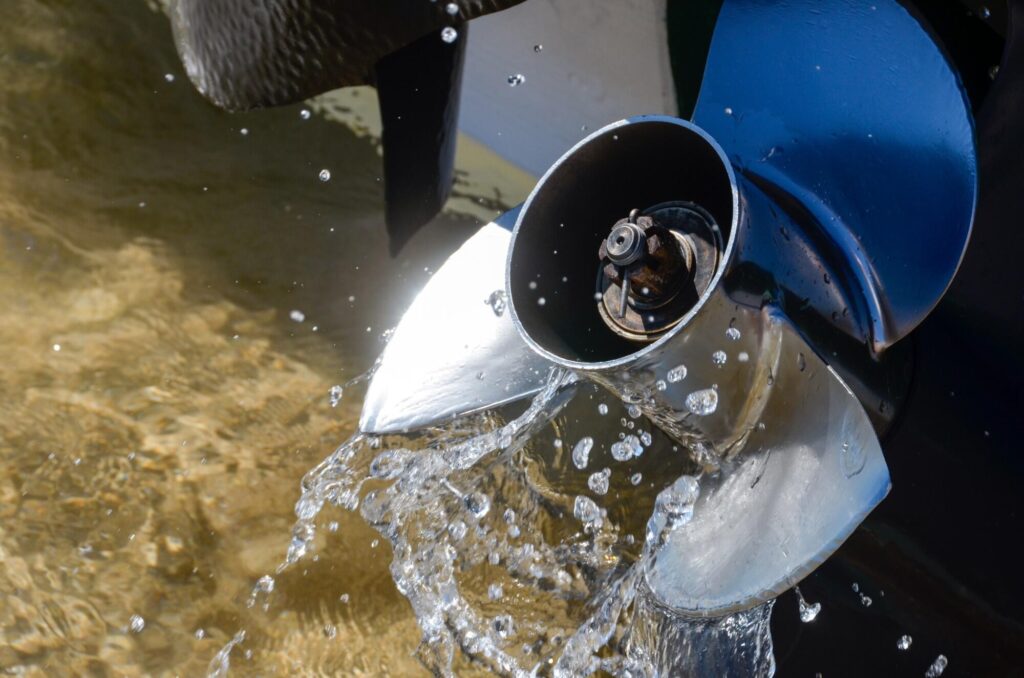
Before we look at the different types of propellers, let’s first look at what they are made of and how they function. There are two main parts to a propeller: the blades and the hub.
The thrust is made by the blades, which make a difference in pressure between the front and back sides. The hub ties the propeller to the motor on the boat. All of these parts work together to turn spinning energy into forward motion.
There is an angle between the blade and the hub, which is called pitch. How much power or force the motor can make is directly affected by this angle.
In general, bigger pitch angles make faster speeds, but they may need more power. On the other hand, smaller pitch angles work better at slower speeds.
Different Types of Propellers
You should know that not all stainless steel blades are the same when choosing one for your small motorboat. For the best fishing experience, each type is designed for a specific job based on factors like boat size, use, and water conditions.
Fixed-Pitch Propellers
Fixed-pitch blades can’t change their angle of attack while in motion. Their shape allows them to excel in certain areas. When motorboats are small and have low-horsepower engines, fixed-pitch blades are often used because they work effectively at slow speeds and don’t need to be adjusted.
Boat makers and users can pick the blade that works best for their boats and the water where they are because they come in many shapes and sizes. Fix pitch propellers generally need less upkeep because they are easy to fix.
This makes them a good choice for people who like to boat for fun and want something that will work well without having to make a lot of changes or pay a lot for maintenance. A lot of boat fans choose them because they work well in many water settings.
Folding/Feathering Propellers
Sometimes called folding or feathering cupped propellers, these new types of propellers have blades that can turn around their center. When this unique device is not in use, it can significantly reduce drag. These blades work great on ships because they cut down on water resistance while using wind power, which makes the boat go faster and use less fuel.
The boat can glide through the water more easily with these blades. This makes fishing better and more fun.
For extra ease of use, they’re very useful in an emergency. The captain can fold or bend the blades to slow down the boat.
This gives the captain more control and safety in dangerous scenarios. Therefore, boaters seeking improved performance on the water should select blades that allow for folding and ruffling.
Variable-Pitch Propellers
If you enjoy boating, V-pitch blades offer the best of both worlds. It’s possible to change the angle of the blades, which changes how much power goes to the boat. You can use them with a lot of different boats and in a lot of different types of water, whether you want to fish slowly or quickly on open water.
You can make fishing more fun and useful by changing the settings on the motor. This could make the boat easier to steer, run better, and use less gas.
That being said, keep in mind that blades with different pitches cost more and need more upkeep than blades with fixed pitches. Some people who own boats might think about getting their engines fixed carefully and regularly so that they work at their best.
Jet Propulsion
Boats move forward with propellers, which have blades that spin and push water. But jet power is not the same. It pulls water from under the boat with a strong pump and shoots it out through a vent in the back at high pressure.
The new shape of the boat speeds it up and makes it easier to steer. It also gets rid of the need for an open engine. Surfers and sea life will be much better in the water now.
It is important to know that jet power is not as good as blades, even though these things are good about it. For water that isn’t very deep, this means it works better than other ways that might not work as well.
Jet-based systems usually need more upkeep because their parts are more complicated. However, their benefits can make them a better choice for boats that are meant to be fun and do a good job.
Choosing the Right Propeller
Choosing the right propeller depends on several factors, including your boat’s size and weight, engine horsepower, desired speed range, and type of boating activity. When replacing or upgrading your propeller, it’s essential to consult with a professional or refer to manufacturer guidelines to ensure compatibility and optimal performance.
When you have a clear understanding of the different types of propellers and their unique benefits, you can make an informed decision tailored to your specific boating needs. For further guidance and specifics on selecting the best propeller for your boat, refer to this page for boat propellers to ensure you’re well-equipped for your adventures on the water.
Set Sail with Confidence: The Right Propeller for Your Small Motorboats!
We hope that this guide has helped you learn more about the different types of propellers available for small motorboats. No matter if you like to fish, sail competitively, or just enjoy boating for fun, there is a propeller out there that will help you take your boating to the next level.
Being sure you have the right blade will let you set sail and enjoy everything the water has to offer. Have fun boating!
Does this article help you? Explore our website to find more helpful and fun stories that could help you.