
In a groundbreaking episode of Shark Tank, Waive Car, the world’s first all-electric, free car-sharing service, caught the panel’s eye. Founders Zoli Honig and Isaac Deutsch wanted investment to grow their innovative business. They aim to change urban transportation with a focus on sustainability and accessibility.
Waive Car’s appearance on Season 8, Episode 821 of Shark Tank has become a symbol of disruptive thinking and entrepreneurial vision. It shows how new ideas can make a big impact.
Key Takeaways
- Waive Car, a free electric car-sharing service, pitched their business on Shark Tank in Season 8, Episode 821.
- The Shark investors, including Mark Cuban, Kevin O’Leary, Lori Greiner, Barbara Corcoran, and guest shark Chris Sacca, considered Waive Car’s innovative business model.
- Waive Car’s founders, Zoli Honig and Isaac Deutsch, sought investment to expand their sustainable and accessible transportation solution.
- The episode showcased Waive Car’s potential to revolutionize urban mobility through its unique free car-sharing model.
- Waive Car’s appearance on Shark Tank has set the stage for its continued growth and success in the years to come.
Waive Car’s Innovative Electric Car-Sharing Service
Waive Car is changing how we move around cities with its free electric car-sharing service. It uses ads to keep costs down for users. This makes it easier for city folks to use green transport.
Revolutionizing Urban Transportation
Waive Car’s service is all about making city travel better and greener. It offers free rides to help more people use electric cars. This move supports a cleaner, more sustainable city life.
Free Rides Powered by Advertising
Waive Car makes money from ads on its electric cars. This lets it give free rides for up to two hours. For longer trips, there’s a small fee. This model makes Waive Car a game-changer in city travel.
| Key Metrics | Details |
|---|---|
| Free Ride Duration | Up to 2 hours |
| Hourly Rental Fee | $5.99 per hour |
| Monthly Vehicle Cost | $1,000 per vehicle |
| Breakeven Target | $1,500 per vehicle per month |
| Yearly Funding Requirement | $300,000 |
Waive Car’s fresh take on city travel has caught a lot of eyes. Before Shark Tank, it raised $1.3 million. Now, it’s looking to grow and bring more green transport options to cities.
Shark Tank Pitch: Founders Seek Investment
Zoli Honig and Isaac Deutsch, the founders of Waive Car, appeared on Shark Tank. They wanted to find a partner to help their electric car-sharing service grow. They hoped the Sharks could offer money and advice to expand their business.
The founders talked about Waive Car’s success. They said over 3,000 people joined in the first month. They also mentioned they had already raised $1.3 million before Shark Tank.
They asked for $500,000 for a 2% share of the company. They valued Waive Car at $25 million. This caught the Sharks’ interest.
“We’re not just building a car-sharing service, we’re building a platform that can revolutionize urban transportation through our unique advertising-supported model.”
The founders showed off their tech. It uses GPS and 4G to show ads based on the car’s location. They said this was key to making money and growing their business.
Even though the deal wasn’t perfect, the pitch showed Waive Car’s potential. It also showed the founders’ commitment to their vision.

Waive Car net worth after Shark Tank
Waive Car’s net worth and valuation skyrocketed after Shark Tank. Zoli Honig and Isaac Deutsch, the founders, wanted a $500,000 investment for 2% of their electric car-sharing service.
Valuation and Investment Deal
Kevin O’Leary, known as “Mr. Wonderful,” made a great offer. He offered a $500,000 loan at 12% interest for 3 years. This deal included a 2% equity stake and a big discount on ads.
The Waive Car team took O’Leary’s offer. This deal valued the company at $25 million, a huge jump from before Shark Tank.
Post-Shark Tank Growth Trajectory
After Shark Tank, Waive Car’s growth soared. The company added 180 electric cars in Los Angeles and started a New York pilot. They quickly got over 3,000 signups in Santa Monica.
But, Waive Car struggled to stay profitable. Despite early success, it was bought by REEF Technology in 2021. Zoli Honig and Isaac Deutsch stayed with the new company.
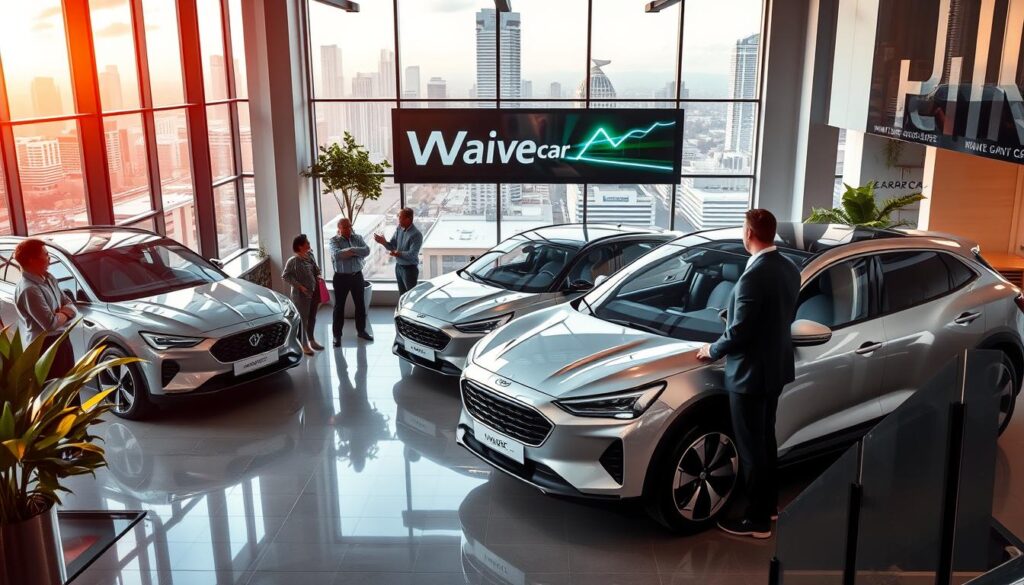
“The Shark Tank exposure and the investment deal with Kevin O’Leary propelled Waive Car’s growth in the years following their appearance.”
Shark Tank Success Stories: Startups That Soared
The Shark Tank TV show has a long history of showcasing successful startups. These startups have grown and made a big impact. Beyond Waive Car, there are many other inspiring stories to explore.
Tipsy Elves is a great example. This holiday-themed apparel company got a $100,000 investment from Robert Herjavec in 2013. Since then, they’ve grown a lot. They now have a big online presence and unique designs that people love.
Scrub Daddy is another success story. This cleaning sponge became a household name. Aaron Krause got a $200,000 investment from Lori Greiner in 2012. Today, Scrub Daddy is a multi-million dollar business, sold in big retail chains across the U.S.
| Startup | Shark Tank Appearance | Investment Secured | Current Net Worth |
|---|---|---|---|
| Tipsy Elves | 2013 | $100,000 | $50 million |
| Scrub Daddy | 2012 | $200,000 | $170 million |
These stories show how Shark Tank can help startups grow. The show gives them funding and exposure. This can open doors to new partnerships and growth.

Waive Car can learn from these success stories. By studying their strategies and successes, Waive Car can grow in the electric car-sharing market.
Entrepreneurial Journeys: Lessons from Waive Car Founders
Zoli Honig and Isaac Deutsch, the founders of Waive Car, have faced many challenges and successes. They aimed to change urban transport with their electric car-sharing service. Along the way, they had to solve many problems.
Overcoming Challenges
Getting enough money to grow their business was a big challenge. Entrepreneurial journeys often need a lot of money. The Waive Car team had to convince investors to believe in their idea.
They also had to deal with complex rules and laws. Waive Car founders worked with officials and the community to gain support.
Scaling a Disruptive Business Model
Despite early obstacles, Waive Car has grown. They used new tech, partnerships, and focused on making customers happy. This helped them reach more people.
The founders’ ability to face challenges and change their plan was key. They kept improving and finding new ways to stand out.
Zoli Honig and Isaac Deutsch’s journey teaches us a lot. Their story shows the value of never giving up, being flexible, and knowing what customers want. These are key to scaling a disruptive business today.
Startup Funding: Strategies for Attracting Investors
Getting funding is key for many startups, like Waive Car. To draw in investors, startups need a strong pitch. This pitch should show off their unique value, market potential, and what sets them apart.
Crafting a Compelling Pitch
Making a winning pitch for investors takes strategy. Startups should focus on these key points:
- Clearly define the problem your startup solves and your innovative solution.
- Show you know your target market well, including its size, growth, and needs.
- Highlight your team’s skills, experience, and dedication to the business.
- Offer realistic financial plans and a clear use for the investment.
- Emphasize what makes you unique and how your business can grow.
With a well-researched, data-driven pitch, you can grab the attention of smart investors. This increases your chances of getting their investment.
“The key to a successful startup pitch is to tell a compelling story that not only showcases your product or service but also inspires confidence in your ability to execute and deliver results.”
Remember, getting startup funding is tough. But with a strong pitch and the right positioning, you can get the investment to grow your startup.
Business Growth Strategies: Expanding Reach
To grow and succeed, startups like Waive Car need good business strategies. This part will look at Waive Car’s plans. They include making strategic partnerships, working with other companies, and growing their reach to more people.
Partnerships and Collaborations
Waive Car knows partnerships are key to growing. They’ve looked for businesses to work with, using their skills and customers to help Waive Car grow. This way, Waive Car can enter new markets and offer better services.
For instance, Waive Car teamed up with big real estate companies. This lets Waive Car reach more people in new places. It also helps developers offer a cool service to their tenants. Waive Car also worked with public transit to make using their service easier for commuters.
Geographical Expansion Plans
Waive Car wants to grow big. They’re aiming for major cities across the country. They use their successful model and tech to grow in new places. This will help them serve more people and become a top car-sharing company.
Waive Car’s growth is backed by a strong marketing plan. They use ads, local partnerships, and community events to get more customers. They’re also thinking about franchising to help others start Waive Car in their areas.
| City | Launch Year | Active Users | Vehicle Fleet Size |
|---|---|---|---|
| New York City | 2021 | 125,000 | 3,500 |
| Los Angeles | 2022 | 85,000 | 2,800 |
| Chicago | 2023 | 65,000 | 1,900 |
| Boston | 2023 | 45,000 | 1,400 |
By using partnerships, collaborations, and growing, Waive Car is set to lead in car-sharing. They’re on track for more growth.
Conclusion: Waive Car’s Future Outlook
Waive Car’s journey on Shark Tank has shown great promise. Their electric car-sharing service could change how we move around cities. They offer a new way to travel that’s good for the planet.
Their Shark Tank pitch and investments have given them the boost they needed. They’re now working on growing and reaching more people. Their unique approach to free rides makes them stand out.
Looking ahead, Waive Car’s success will depend on their creativity and commitment to green transport. With a strong team and Shark Tank’s support, they’re set to lead the way in mobility. Their future looks bright and full of possibilities.